
ACL Reconstruction Birmingham
Arthroscopic ACL reconstruction near Birmingham at Droitwich Knee Clinic just 20 minutes away. 90%+ success rate. Personalised rehab plans. No GP referral needed.
Home → ACL Reconstruction Birmingham
Advanced Diagnostic Assessment
Precise imaging and clinical evaluation confirm ligament damage, ensuring accurate diagnosis and effective surgical planning for successful long-term recovery.
Services
KNEE PAIN INJECTION
Knee Replacement
Shoulder Pain Injections
Shoulder Impingement treatment
acn Reconstruction
Rotator cuff repair
painless injection treatment
ROBOTIC Knee Replacement
MSK ULTRASOUND SCAN
Overview of ACL Reconstruction
ACL reconstruction restores knee stability, reduces pain, and supports safe return to sports and daily activities with personalised surgical care.
Advanced ACL Reconstruction in Birmingham for Confident, Stable Movement
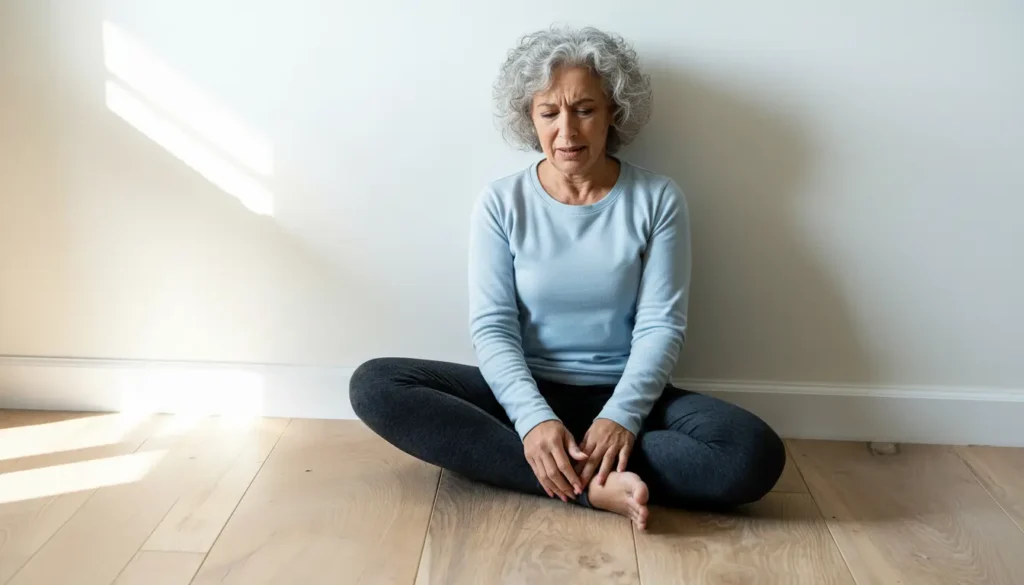
A torn anterior cruciate ligament (ACL) is one of the most common knee injuries seen in both athletes and active individuals. It often occurs during sports involving sudden stops, pivots, or collisions such as football, rugby, skiing, or basketball. For many patients, an ACL tear leads to pain, swelling, instability, and difficulty returning to sport or daily activities.
At the Droitwich Knee Clinic, our orthopaedic consultants provide expert ACL Reconstruction Birmingham services, offering world-class surgical care with personalised rehabilitation to help patients regain stability, mobility, and confidence in their knee. Whether you require arthroscopic ACL reconstruction, revision surgery, or tailored physiotherapy, our team is here to guide you through every stage of recovery.
ACL Reconstruction Surgery in Birmingham
Our surgeons are highly experienced in all modern ACL reconstruction techniques. All procedures are performed arthroscopically (keyhole surgery) through small incisions reducing scarring, tissue damage, and recovery time compared to traditional open surgery.
ACL Graft Options Available near Birmingham
💪 Hamstring tendon graft
Most commonly used. Taken from the back of the thigh. Smaller scar, less anterior knee pain.
🦵 BTB (patellar tendon) graft
Bone-to-bone healing for very strong fixation. Preferred in high-demand athletes and contact sports.
🏋️ Quadriceps tendon graft
Larger graft volume. Good option for revision surgery and larger patients.
🔬 Allograft (donor tissue)
No donor site pain. Used in revision cases or less active patients. Longer graft incorporation time.
Specialist ACL Reconstruction Techniques


🔬 All-inside ACL reconstruction
Less invasive technique with smaller tunnels and faster recovery. No large bone plugs required.
🔗 ACL with lateral tenodesis
Additional stabilisation for patients with high-grade instability or rotational laxity. Reduces re-tear risk.
🩺 ACL and meniscus repair
Combined procedure when meniscal damage is present alongside the ACL tear both addressed in one operation.
🔄 Revision ACL reconstruction
For patients where the original graft has failed. Different graft type selected for optimal revision outcome.
ACL Reconstruction Recovery Timeline for Birmingham Patients
Weeks 1–2: Swelling control and mobility
Ice and elevation to reduce swelling. Gentle range-of-motion exercises begin. Walk with crutches. Knee brace worn for protection.
Weeks 3–6: Strengthening begins
Achieve full knee extension. Quadriceps and hamstring strengthening. Light cycling on a stationary bike. Begin walking without crutches.
Weeks 6–12: Progressive loading
Resistance band and gym-based strengthening. Balance training. Jogging on a treadmill around week 10–12. Most patients return to driving around week 6.
Months 4–6: Sport-specific training
Running, cutting, and plyometric drills introduced. Strength and functional testing to assess readiness for return to training.
Months 9–12: Return to competitive sport
Return to competitive football, rugby, skiing, or other sport after physiotherapy clearance and functional testing. Most patients achieve pre-injury performance level.
⚠️ Risks and complications of ACL reconstruction
- Infection — rare with arthroscopic technique; treated with antibiotics if it occurs
- Graft re-tear or failure — occurs in 5–10% of cases; most common with early return to sport
- Signs of failed ACL reconstruction — persistent instability or graft problems; revision surgery is possible
- Stiffness — physiotherapy is essential from day one to prevent post-operative stiffness
- Donor site pain — aching at hamstring or patellar tendon harvest site; typically resolves within months
- Blood clots (DVT) — rare; early mobilisation and compression reduce this risk
ACL Reconstruction Birmingham Without Surgery – Is It Possible?
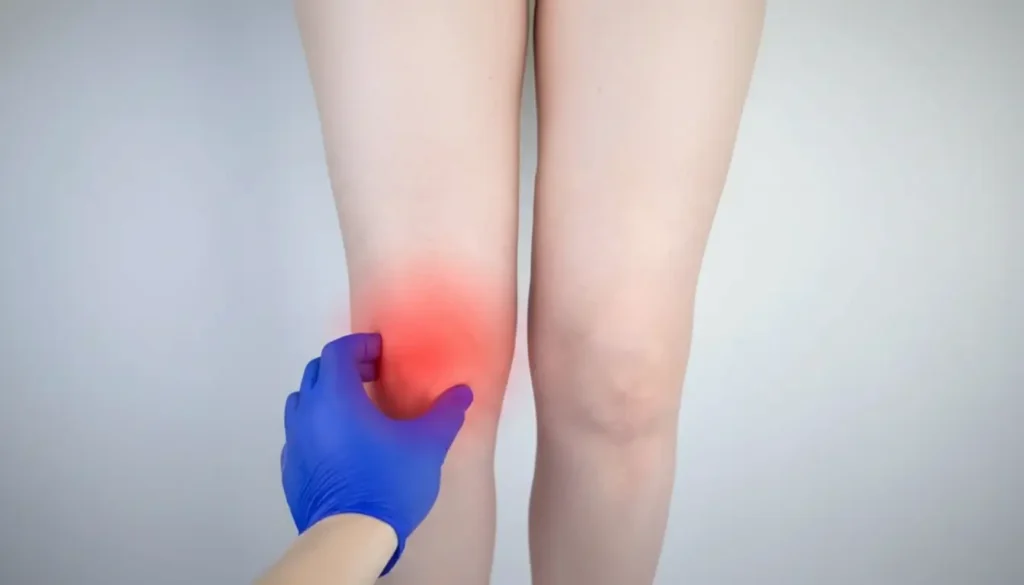
Some patients ask if ACL tears can heal without surgery. Partial ACL tears may be managed with physiotherapy, bracing, and activity modification. However, complete ACL tears usually require surgery in active patients to restore stability and prevent further damage. For individuals seeking ACL Reconstruction Birmingham services, surgery is often the most effective option for returning to sport and maintaining long-term knee function. Non-surgical ACL treatment may be suitable for less active patients.
Why Birmingham Patients Choose Droitwich Knee Clinic for ACL Reconstruction
🏥 CQC-regulated
One of the highest-rated private orthopaedic clinics serving the Birmingham and West Midlands area.
👨⚕️ Specialist ACL surgeon
Mr. Kirti Moholkar personally leads every assessment, surgery, and rehabilitation review.
🔬 All graft types available
Most commonly used. Taken from the back of the thigh. Smaller scar, less anterior knee pain.
💪 Hamstring tendon graft
Most commonly used. Taken from the back of the thigh. Smaller scar, less anterior knee pain.
💪 Hamstring tendon graft
Most commonly used. Taken from the back of the thigh. Smaller scar, less anterior knee pain.
💪 Hamstring tendon graft
Most commonly used. Taken from the back of the thigh. Smaller scar, less anterior knee pain.
Frequently Asked Questions
Yes, but it is performed arthroscopically, meaning small incisions and faster recovery compared to traditional surgery.
Typically 60–90 minutes, depending on complexity and graft choice.
Mild to moderate pain is expected initially, but pain is well controlled with medication and physiotherapy.
Walking within 1–2 weeks, return to sport 9–12 months.
Private ACL reconstruction surgery cost varies but is discussed clearly at consultation.
Yes, most patients return to high-demand sports after full rehabilitation.
Failure is rare. When it occurs, it is usually due to re-injury or graft problems. Revision ACL reconstruction is possible.