
Knee Replacement in Worcestershire
Private partial, total and robotic knee replacement at Droitwich Knee Clinic, Bromsgrove — the heart of Worcestershire. CQC-regulated. No GP referral needed. Led by Mr. Kirti Moholkar.
Home → Knee Replacement
Advanced Diagnostic Assessment
Detailed clinical evaluation and imaging identify joint damage accurately, ensuring the most suitable knee replacement approach and better recovery outcomes.
Services
KNEE PAIN INJECTION
Knee Replacement
Shoulder Pain Injections
Shoulder Impingement treatment
acn Reconstruction
Rotator cuff repair
painless injection treatment
ROBOTIC Knee Replacement
MSK ULTRASOUND SCAN
Overview of Knee Replacement in Worcestershire
Knee replacement surgery restores joint function by replacing damaged surfaces, helping reduce pain and improve mobility for long-term comfort.
Specialist Care for Lasting Relief and Mobility

If you are struggling with severe knee pain that limits your everyday activities, a knee replacement in Worcestershire could provide the long-term relief you need. At our specialist orthopaedic clinic, we offer advanced knee replacement surgery, including partial knee replacement, total knee replacement (TKR), and unicompartmental partial knee replacement, tailored to your condition and lifestyle. Our goal is to restore your mobility, reduce pain, and help you return to the activities you love with confidence.
What is a Knee Replacement?


A knee replacement involves removing the damaged or arthritic surfaces of the knee joint and replacing them with high-quality implants made of titanium or advanced medical alloys. Depending on the severity and spread of arthritis, you may benefit from a partial, total, or robotic-assisted replacement.
When Is Knee Replacement Recommended?

Knee replacement is considered when non-surgical treatments no longer provide adequate relief. Common reasons Worcestershire patients seek surgery include:
🦴 Severe osteoarthritis
Significant cartilage loss causing bone-on-bone contact and constant knee pain.
🌙 Pain at rest or at night
Knee pain that persists without activity or wakes you from sleep.
🚶 Difficulty walking
Struggling to walk, climb stairs, or complete daily tasks due to stiffness.
💊 Treatments not working
Limited benefit from physiotherapy, injections, and oral medications.
📐 Knee deformity
Visible bow-legged or knock-kneed deformity affecting alignment and gait.
⏰ Long NHS waiting time
Choosing private surgery to avoid months or years on an NHS waiting list.
What to Expect During Knee Replacement Surgery


Consultation and imaging
Detailed clinical assessment with on-site X-ray and MRI to confirm diagnosis and plan surgery.
Surgery (60–90 minutes)
Performed under general anaesthetic. Damaged joint surfaces removed and high-quality implants secured. Robotic assistance available for enhanced precision.
Hospital stay (1–3 days)
Most patients can stand and walk with physiotherapy support within 24 hours of surgery.
Home recovery and physiotherapy
Structured physiotherapy begins immediately. Daily exercises at home alongside outpatient sessions.
Full recovery (3–12 months)
Most patients achieve full recovery within 3–6 months. Continued healing up to 12 months for some. Low-impact activity encouraged long-term.
Benefits of Knee Replacement Surgery in Worcestershire
Long-lasting pain relief
Improved mobility and flexibility
Correction of bow-leg or knock-knee deformity
Return to walking, swimming, and cycling
Implants lasting 15–20+ years
Avoid long NHS waiting times with private care
Cost of Knee Replacement in Worcestershire
The cost of knee replacement surgery worcestershire varies depending on whether you require a partial, total, or robotic-assisted procedure. At our clinic, we provide transparent pricing and can discuss both NHS pathways and private knee replacement cost options.
Patients often ask: “How much does a knee replacement cost privately?” – The price usually depends on implant choice, surgeon expertise, and hospital facilities. We’ll provide a personalised estimate during your consultation.
⚠️ Risks and considerations
- Infection — rare with modern sterile technique; treated with antibiotics if it occurs
- Blood clots (DVT) — prevented with blood-thinning medication and early mobilisation
- Implant loosening — uncommon; revision surgery available if required
- Stiffness — physiotherapy is essential to prevent and manage post-operative stiffness
- Limited kneeling — some patients find kneeling uncomfortable after surgery
- The vast majority of patients achieve excellent results with significant pain relief and improved function
Alternatives to Knee Replacement
Not every patient needs immediate surgery. Alternatives include:
- Injections (steroid, hyaluronic acid, or PRP therapy)
- Knee cartilage replacement therapy
- Bracing and physiotherapy
- Lifestyle modifications
If surgery is unavoidable, we will ensure you are fully prepared with the best advice and aftercare.
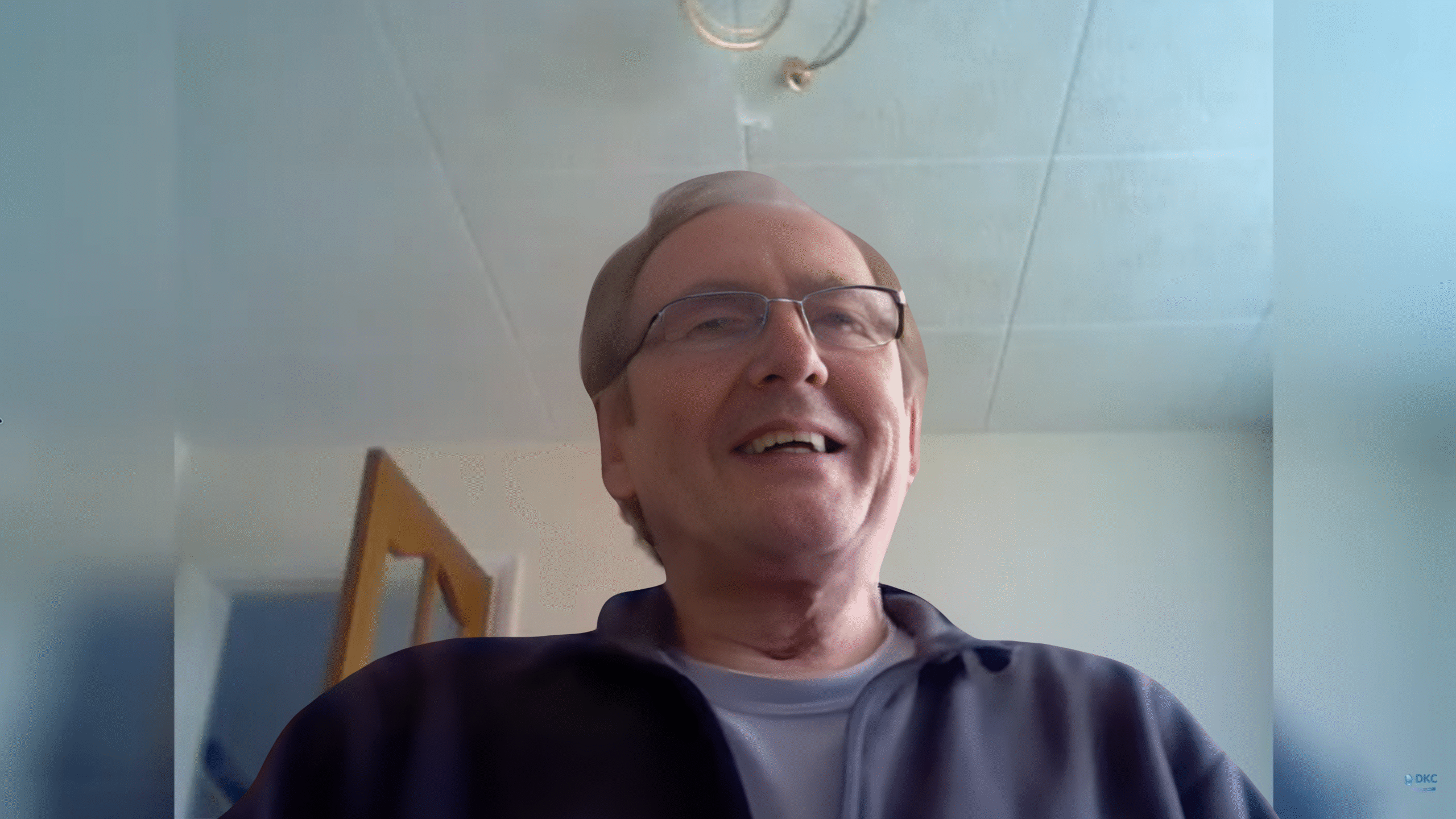
Here's What Our Previous Patients Have To Say


Frequently Asked Questions
Modern implants typically last 15–20 years, with many patients enjoying long-term results.
Most people recover within 3–6 months, though full strength and flexibility may take up to a year.
Some patients find kneeling uncomfortable, but with physiotherapy and time, many can kneel again.
High-impact activities such as running and jumping should be avoided. Walking, swimming, golf, and cycling are usually encouraged.
Private costs vary, but we provide clear guidance during your consultation to help you make an informed decision.
Options include physiotherapy, pain injections, bracing, or partial replacement depending on the extent of damage.
It’s best to sleep on your back with a pillow under your operated leg for comfort and to reduce swelling.
Medications, physiotherapy, and gentle exercises are often effective in managing nerve discomfort.
The procedure usually takes 60–90 minutes depending on whether it’s a partial or total replacement.